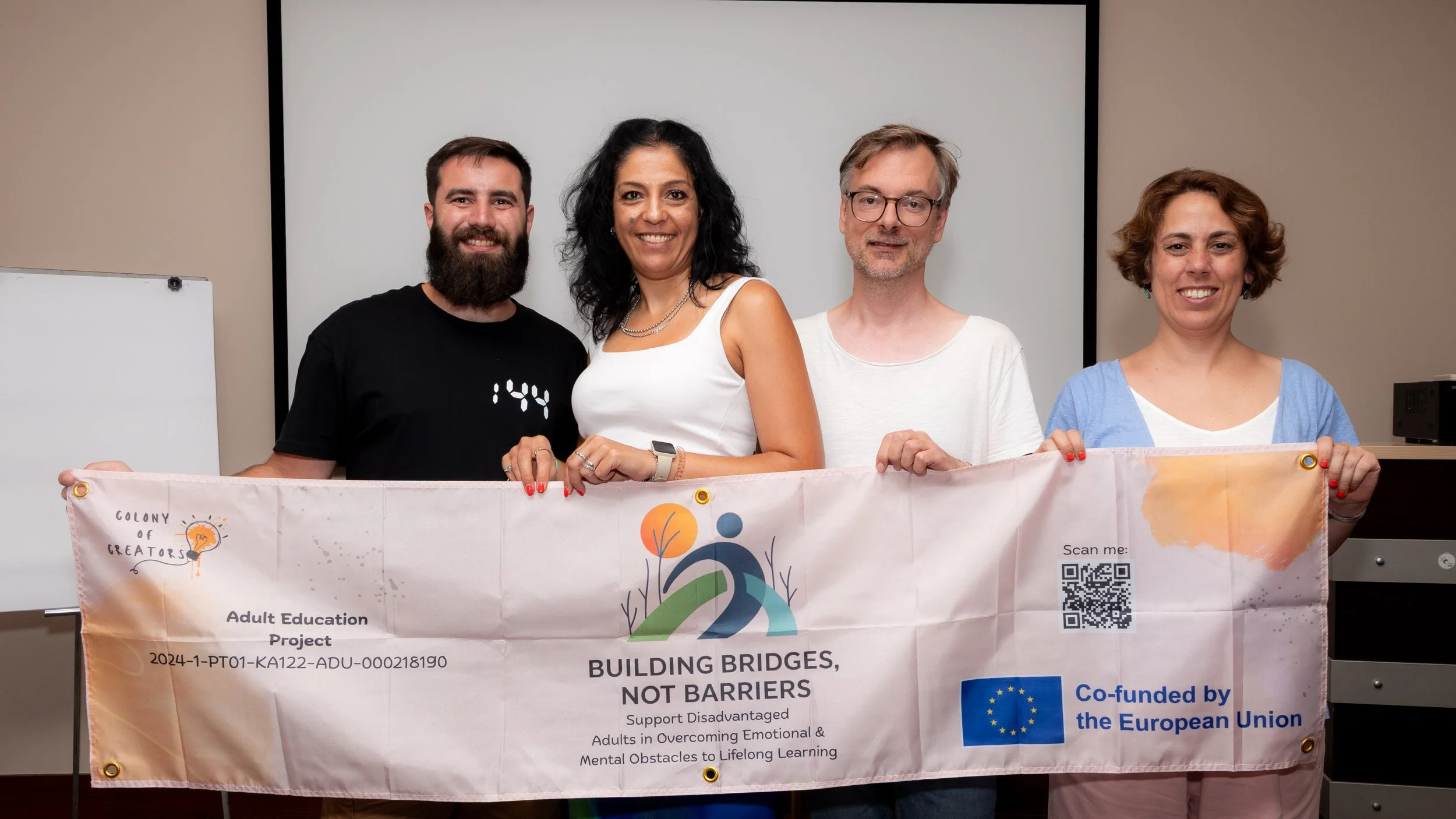
Building Bridges, Not Barriers: Support Disadvantaged Adults in Overcoming Emotional and Mental Obstacles to Lifelong Learning
has been a critical, short-term mobility project funded by the European Union’s Erasmus+ Programme, under the Key Action 1 (KA122-ADU) for Adult Education towards the staff of our NGO.
Running for 15 months, from 31 December 2024 to 30, March 2026 , this project was designed to enhance the quality of adult education provided by our NGO, Colony of Creators. The primary focus was on empowering our staff and trainers with cutting-edge skills to foster emotional well-being and inclusion for disadvantaged adults in our community.
Core Purpose
The project's purpose is rooted in addressing the widespread emotional and mental vulnerability that has become prevalent among rural and urban disadvantaged adults, particularly following the economic crisis caused by the pandemic.
The Problem: Many members of our community are experiencing elevated levels of depression, anxiety, and stress due to job loss, financial insecurity, and social isolation. This negative mental state significantly hinders their motivation for lifelong learning, re-employment, and entrepreneurship.
Our Solution: The project tackles these issues head-on by focusing on three key areas: Inclusion, the promotion of New Learning and Teaching Methods, and Physical and Mental Health, and Well-being. By strengthening the soft and technical skills of our staff through international mobility, we aim to transform our educational offerings into genuinely inclusive, supportive, and effective pathways for vulnerable adults.
Main Objectives
The project has four concrete objectives designed to achieve a comprehensive transformation in our approach and capacity:
Empower Trainers with Inclusive Emotional Education Skills: To equip 12 internal trainers and 28 other adult education trainers with the necessary skills to use inclusive mental and emotional education methods, helping them support vulnerable adults more effectively.
Enhance Stress and Emotional Management Skills: To improve stress and emotional management skills among 12 adult education trainers through international mobilities, leveraging non-formal methodologies to address the high levels of anxiety observed in our trainees.
Improve Holistic Training Skills and Motivation: To enhance the holistic training skills of 2 trainers via job shadowing mobility (and 60 other local trainers) with a specific focus on adult motivation techniques and the creation of effective Individual Learning Plans (ILP).
Strengthen International Collaboration and Networking: To increase our involvement in international exchange of experience by developing a solid network of partnerships and collaborations, including future Erasmus+ KA2 projects, to ensure continuous organizational learning and development.
1st Mobility: Istanbul Turkiye 🇹🇷
Course: Brains in Motion: Play-Based Strategies for Holistic Development
NGO provider: Associatia EurOpen based in Iasi, Romania
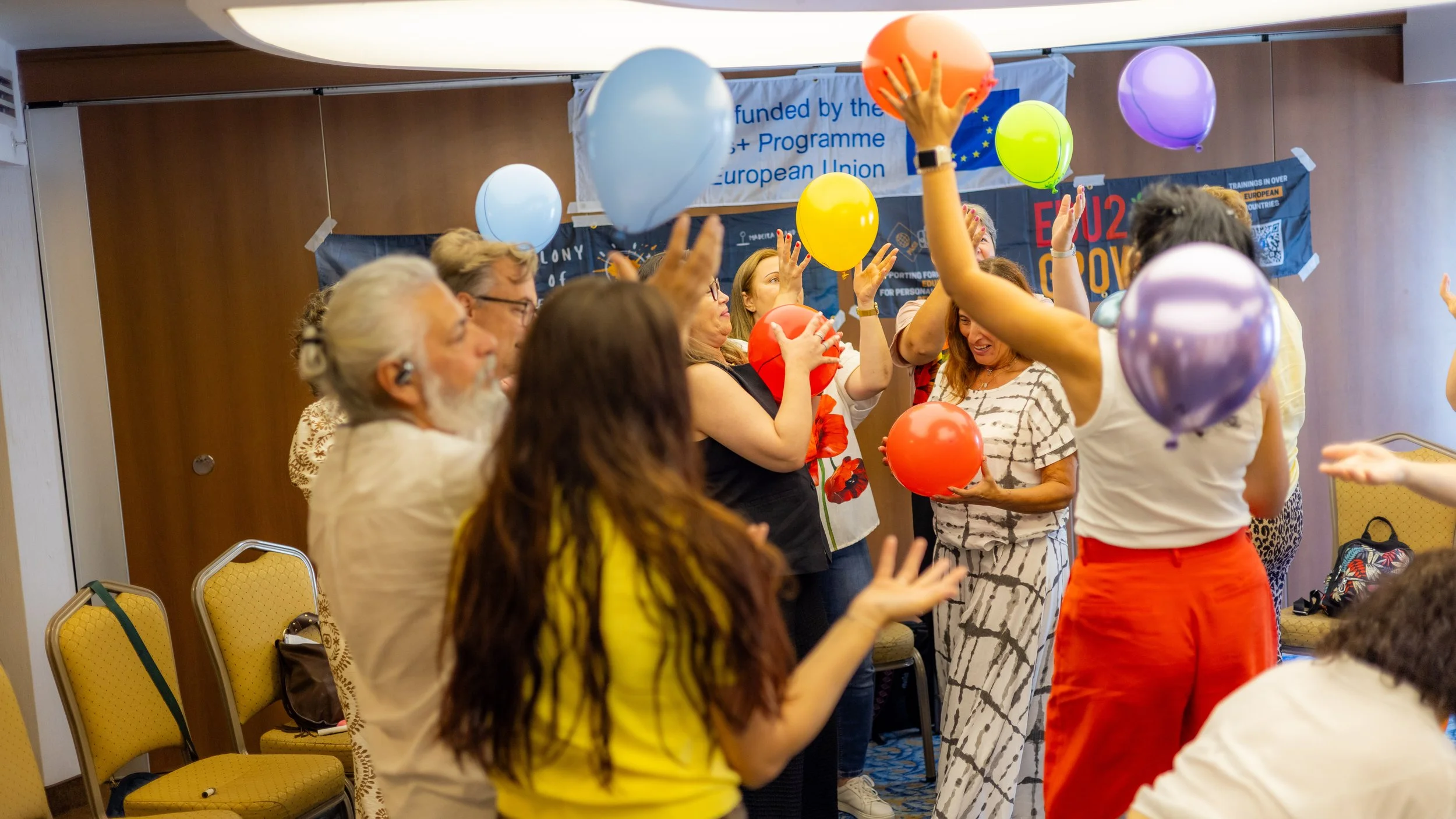
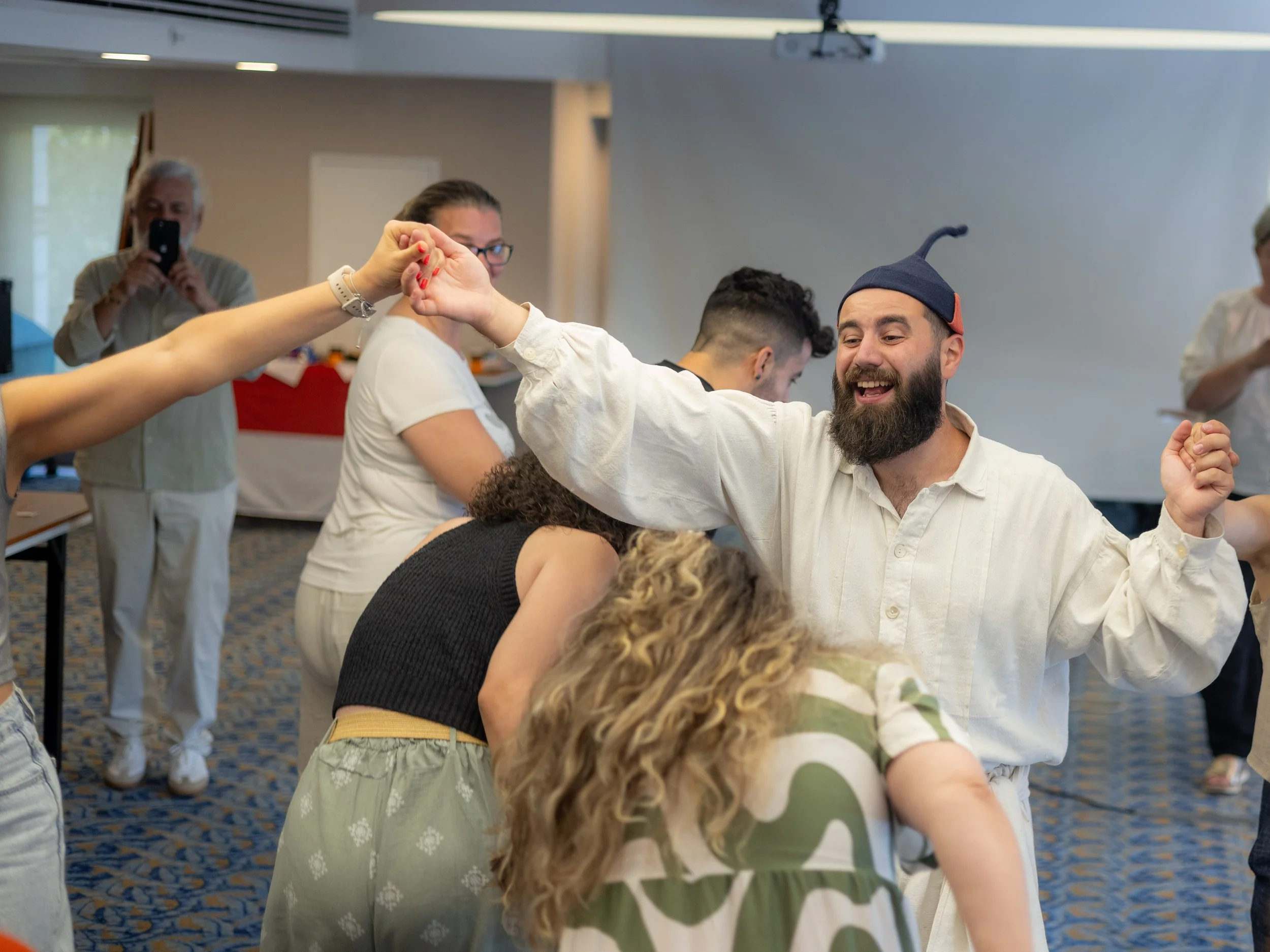
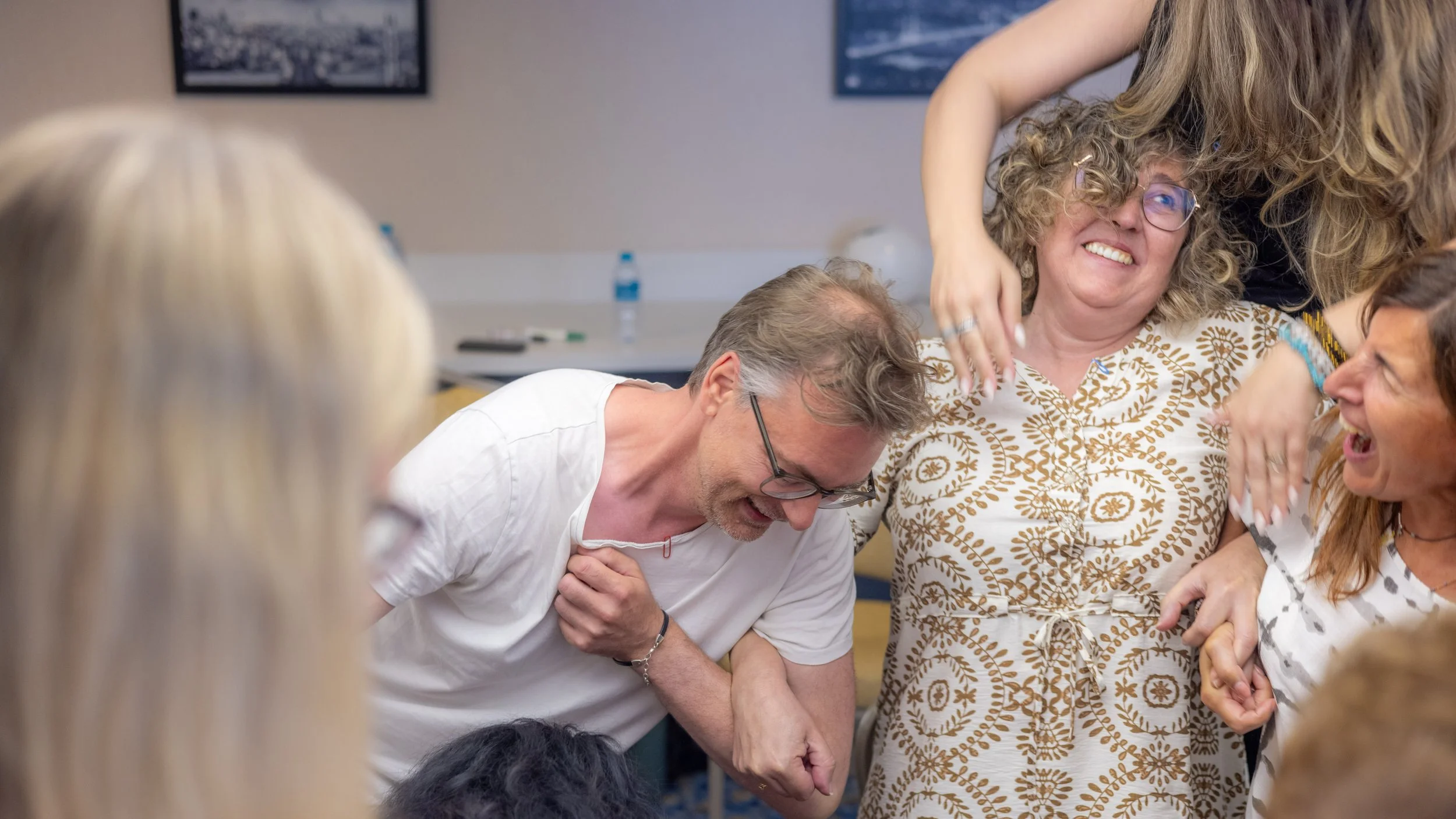
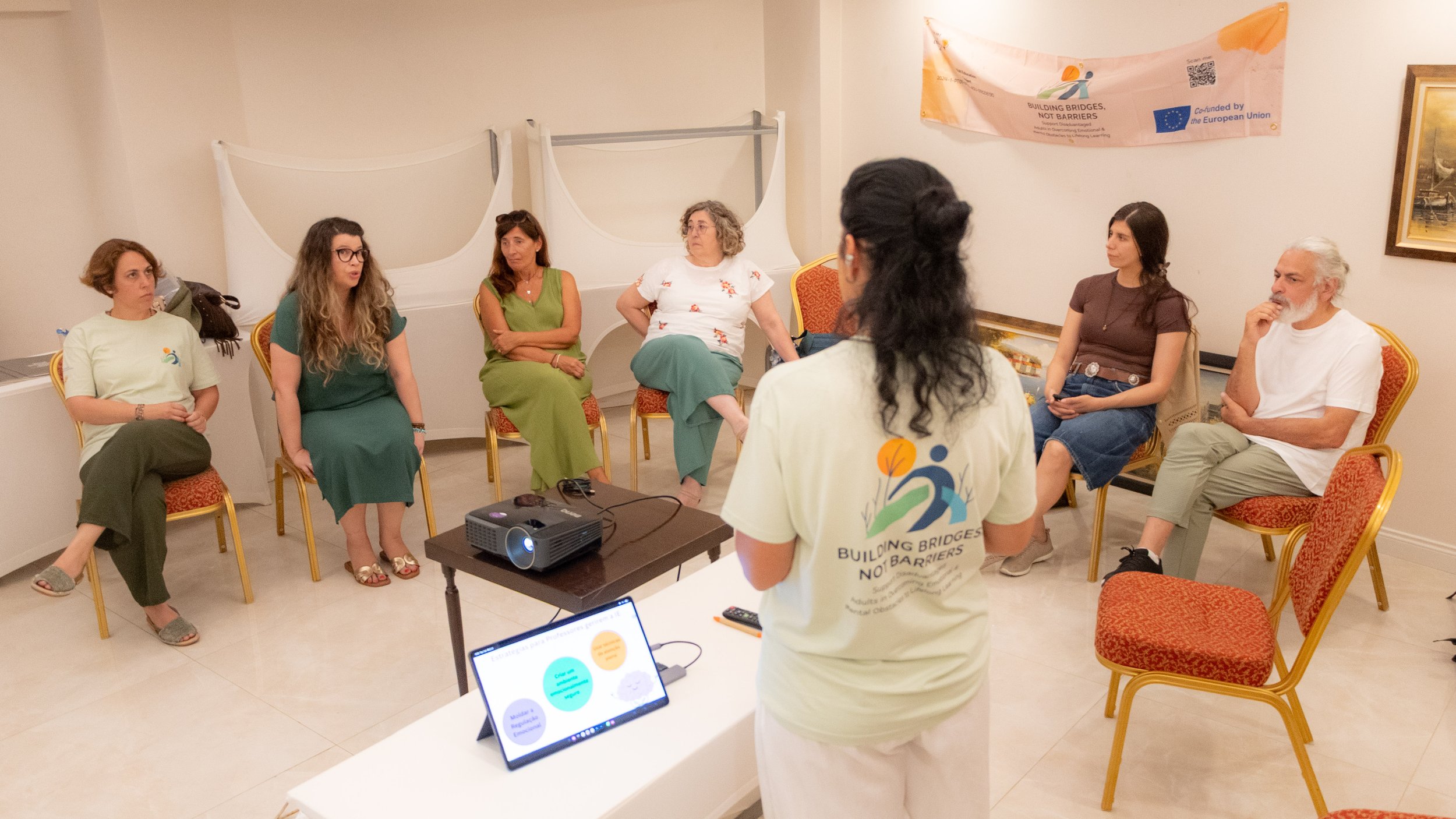
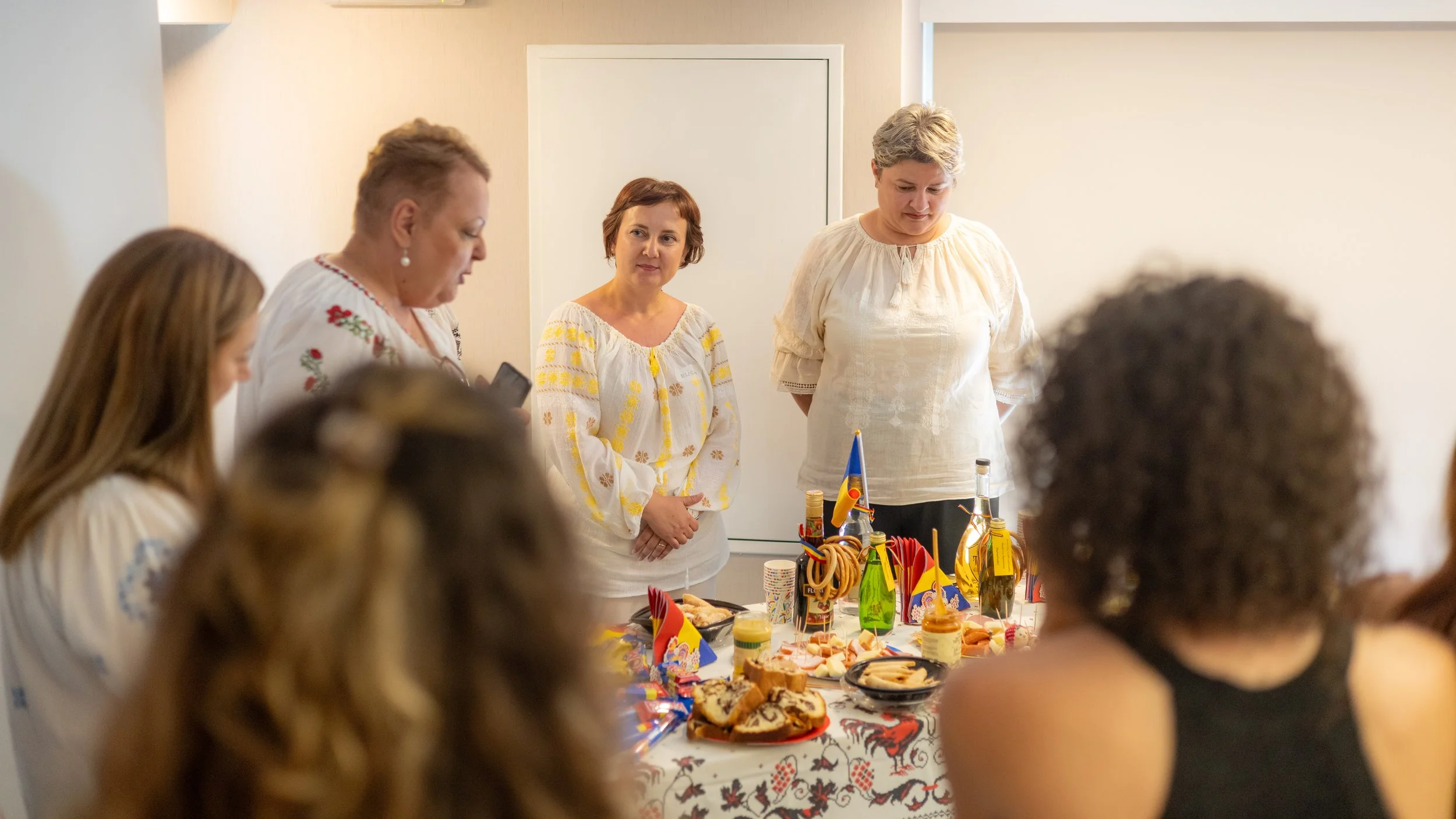
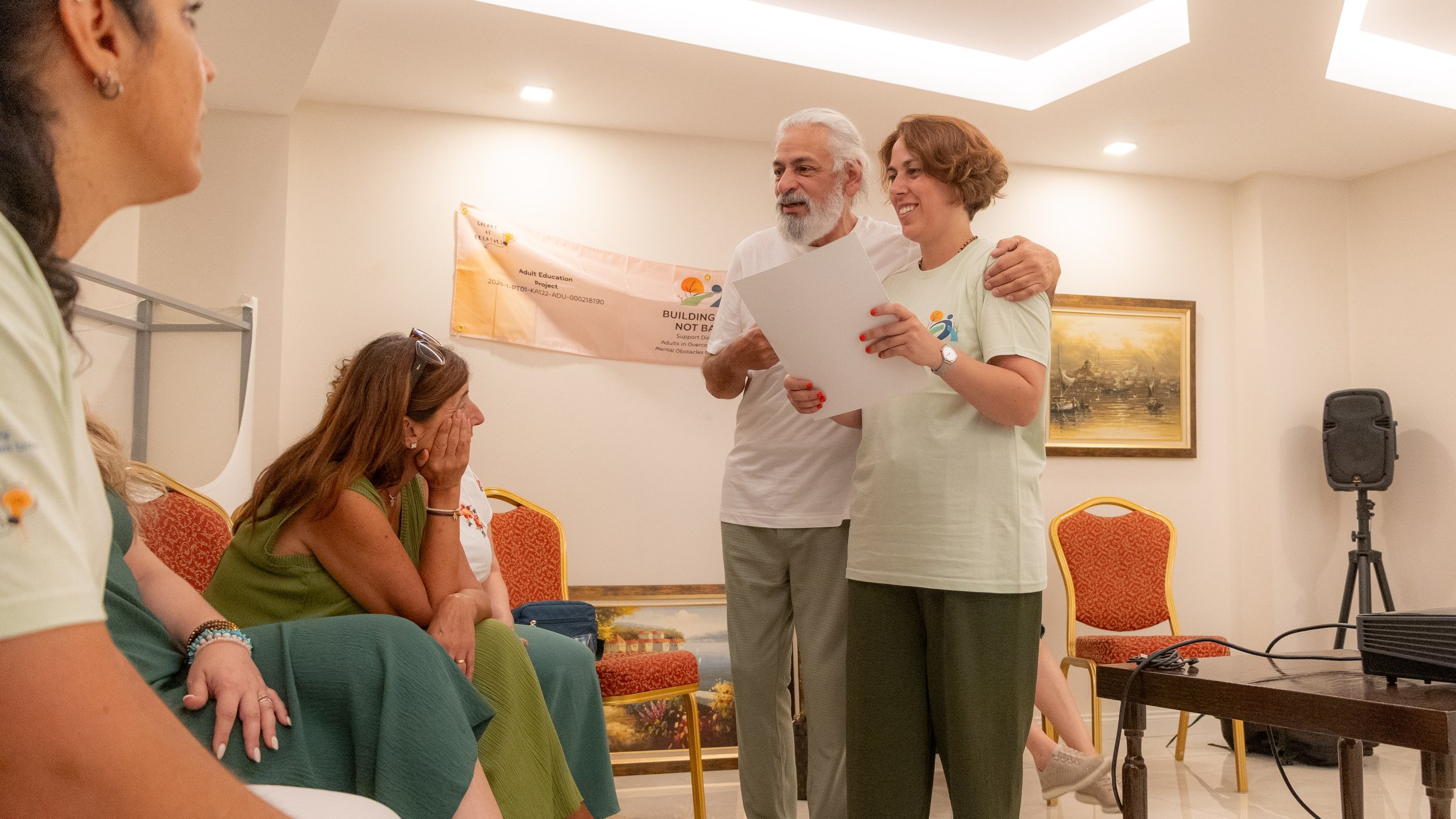
Our Erasmus+ journey officially began with the first mobility activity in Istanbul, Turkey, from June 26 to July 7, 2025. Four direct representatives from the Colony of Creators Staff participated in an intensive training course focused on innovative, experiential learning methodologies.
Emotional Intelligence in Adult Education: Lessons from Istanbul
The Course: Play as a Foundation for Well-being
The courses’ core principles are universally vital for our target group of disadvantaged adults and community. The training explored how intentional, structured play can be a powerful, non-threatening tool to cultivate emotional intelligence, social cohesion, and resilience.
Rooted in developmental psychology, the 9-day program moved beyond traditional instruction, emphasizing Play Labs, Scenario-Based Role Play, and Reflective Dialogue.
The main goals for our staff were to gain proficiency in:
Understanding the developmental impact of play on emotional self-regulation and conflict resolution.
Identifying and applying different types of play (cooperative, symbolic) to foster empathy and communication.
Designing inclusive play activities that stimulate creativity, critical thinking, and collaboration—skills essential for re-engaging marginalized adults in the learning process.
Connecting Play to Adult Education & Project Goals
Our overall project focuses on helping vulnerable adults overcome the emotional and mental obstacles (anxiety, stress, isolation) that prevent them from accessing lifelong learning and employment opportunities.
This mobility directly addressed two of our core project objectives:
Empower Trainers with Inclusive Emotional Education Skills: The methodologies learned—such as using games for emotional expression and group dynamics for conflict resolution—are now part of our trainers' toolkit, enabling them to create a safer, more supportive environment for adult learners struggling with mental health issues.
Promote New Learning and Teaching Methods: By adopting experiential, play-based approaches, we can bypass the intimidation of traditional education, making learning more engaging and accessible for those who have previously faced barriers or negative experiences with formal schooling. The focus on collaboration and joyful learning is critical for restoring motivation in our trainees.
The training was a rich environment for networking, with participants including adult educators and teachers from Turkey, Romania, Poland, Spain, Germany, and Portugal. This cross-cultural exchange allowed our team to share insights on supporting marginalized communities and collectively build an "Inclusive Play Toolkit."
Accomplishments: By the end of the mobility, our staff were equipped to:
Design learning environments that foster autonomy and collaboration, moving away from rigid classroom structures.
Utilize non-formal methods to identify and support emotional cues and group dynamics within adult classes.
Integrate practical, playful strategies that improve stress and emotional management, directly applying these skills to our work with disadvantaged adults in our local community.
The successful completion of this mobility has fundamentally enriched our capacity as an NGO to deliver genuinely inclusive and supportive adult education. The lessons from Istanbul will now be adapted and implemented in all our future training programs!
2nd Mobility: Tenerife, Canárias Spain🇪🇸
Course: Non-formal for Inclusion
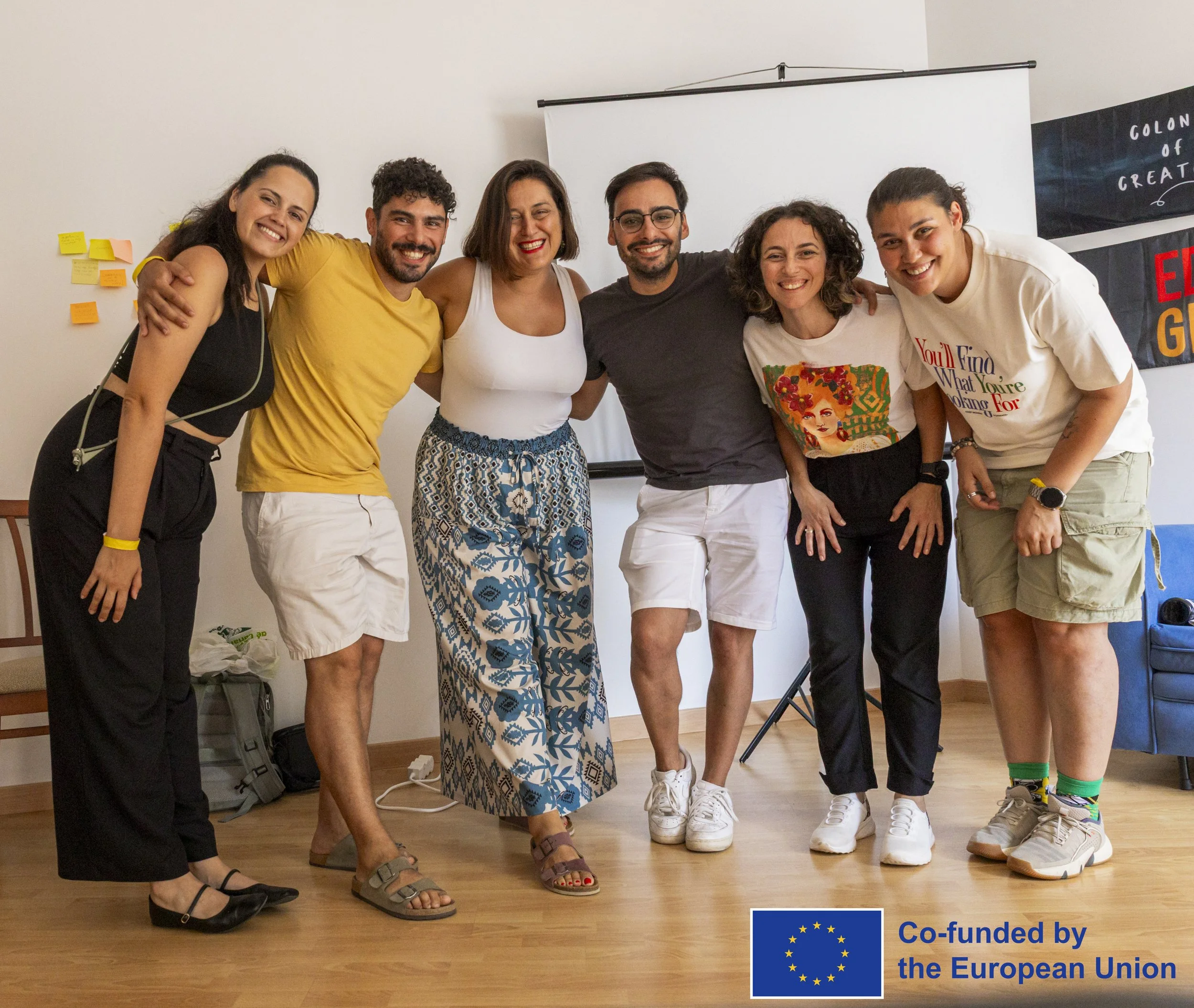
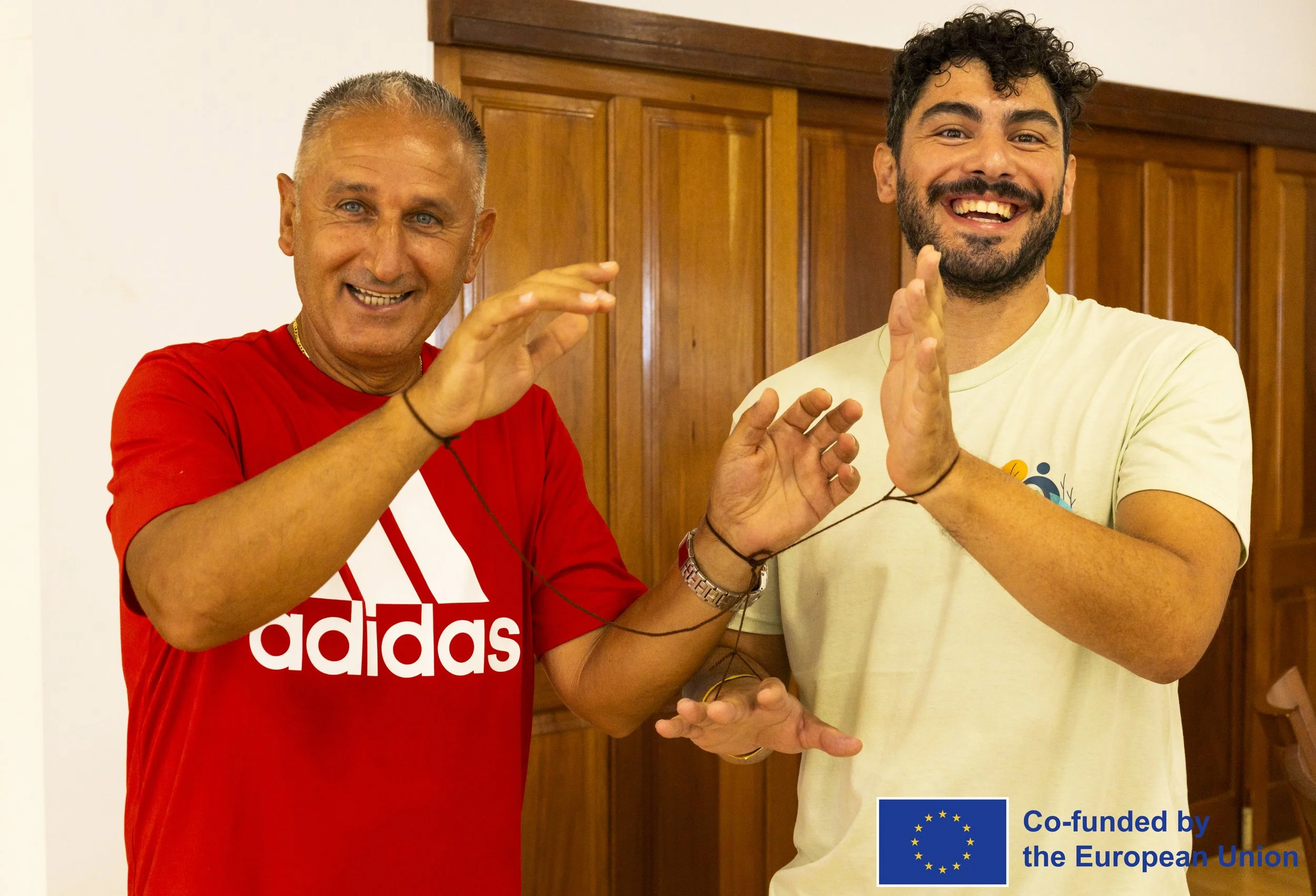
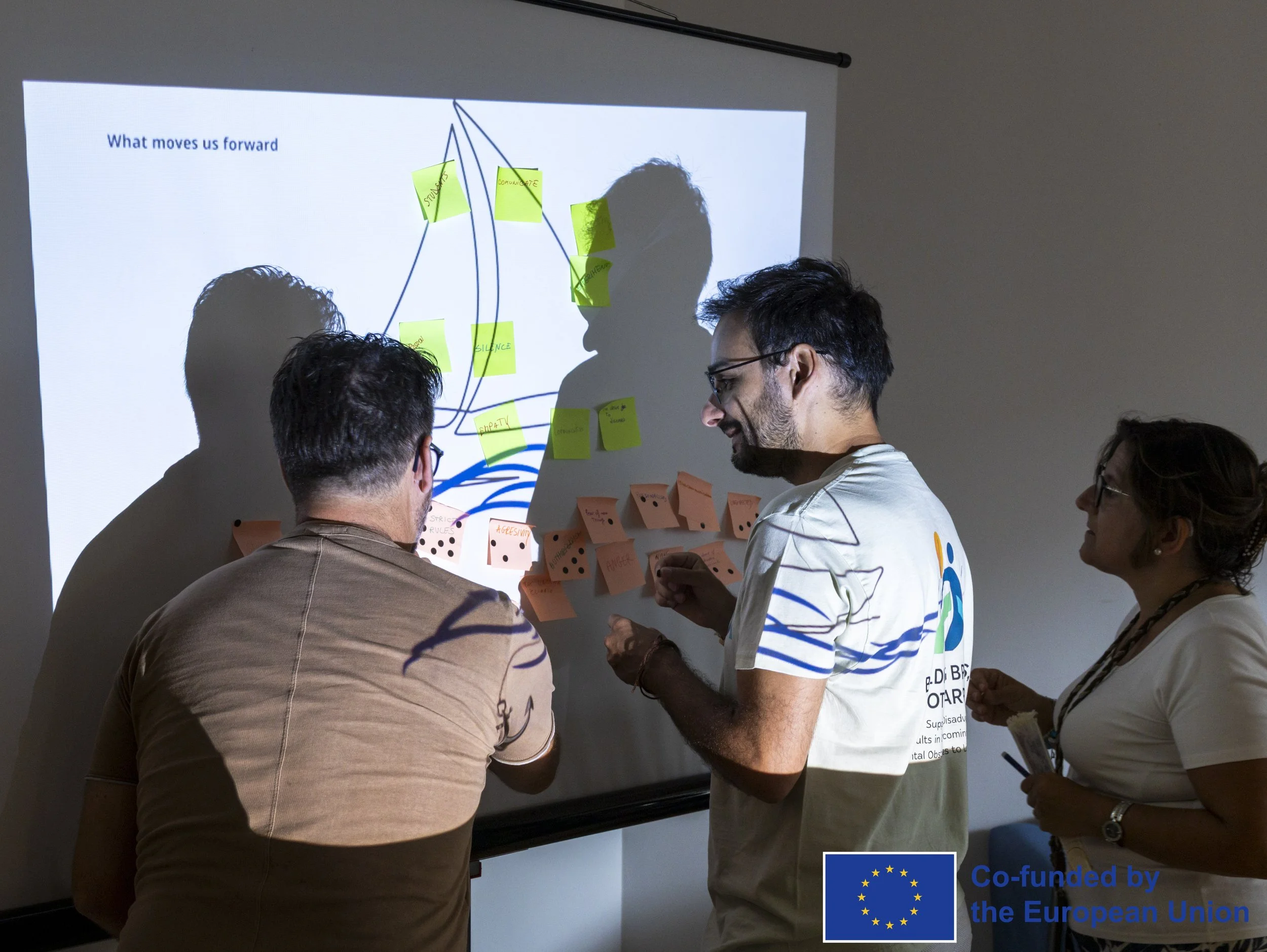
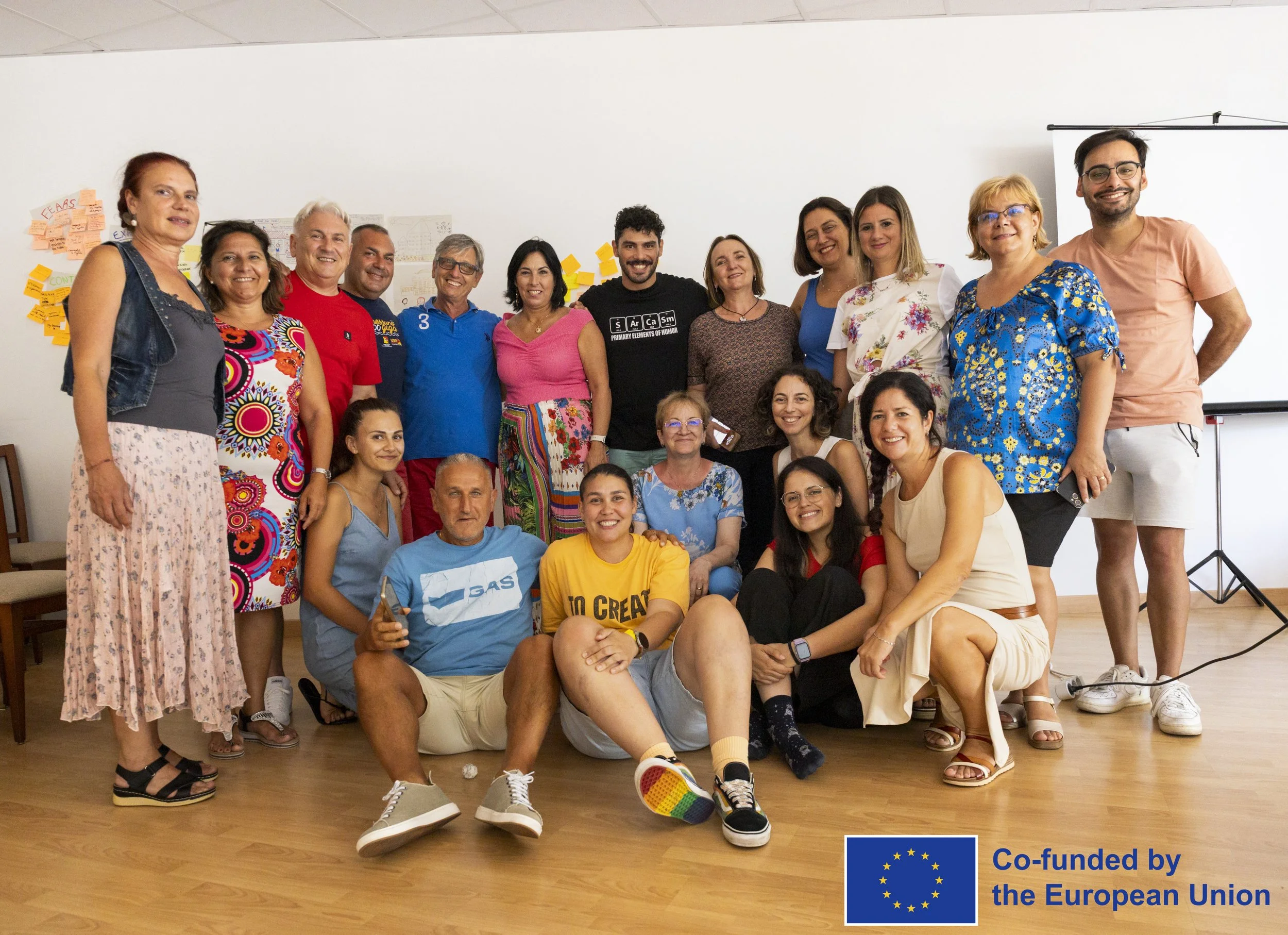
Our second significant mobility activity under the Erasmus+ project, “Building Bridges, Not Barriers,” took our staff to Tenerife, Spain, for the intensive “Non-formal for Inclusion” course, running from July 28 to August 5, 2025.
Hosted by the Spanish provider, EUducate, this 9-day program was vital for our team of adult trainers, focusing entirely on practical, non-formal education (NFE) tools to actively integrate and include marginalized individuals in the learning environment.
The Course: Toolkit for Integration
The Non-formal for Inclusion training was built on the philosophy of “learning by doing,” combining hands-on practice with critical reflection. It went beyond simply teaching methodologies; it addressed the core concepts of identity, belonging, and overcoming social barriers.
Our members engaged in a holistic approach that covered:
Experiencing: Applying various NFE methods like role-play and simulation games.
Reflecting: Analyzing the impact and limitations of non-formal techniques in the classroom.
Transferring: Developing strategies to apply these new methods directly to their own teaching context.
The central goal was to equip our staff with the ability to ensure that every adult trainee feels seen, valued, and integrated. This involved:
Developing practical skills in dialogue, tolerance, and collaboration using engaging games and exercises.
Learning to foster harmonious group building that celebrates diversity and transforms a class into a supportive team.
Acquiring tools to use mediation and negotiation to combat the exclusion of people with fewer opportunities.
Understanding and addressing common integration barriers, such as poor qualifications and language difficulties, which disproportionately affect immigrants and refugees.
Connecting Inclusion to Adult Education & Project Goals
This mobility was a powerful step forward in realizing the overarching goals of “Building Bridges, Not Barriers,” which seeks to help vulnerable adults overcome emotional and mental obstacles to lifelong learning. By focusing on non-formal tools, we achieved direct progress on multiple project objectives:
Empower Trainers with Inclusive Emotional Education Skills: The course dedicated significant time to conflict management, mediation, and understanding individuals’ realities. Our staff are now better equipped to use non-formal methods to foster well-being and identify/transform limiting and negative beliefs in our trainees, which are crucial mental obstacles to learning.
Promote New Learning and Teaching Methods: This entire mobility was dedicated to acquiring and practicing new, adaptable NFE tools. By learning how to better integrate individuals in the community and foster motivation using these techniques, we can significantly reduce early school leaving among disadvantaged adults.Improve Holistic Training Skills and Motivation: Our trainers gained skills in complex group dynamics and practical ways to develop trust and self-esteem for excluded individuals. This ensures that our education programs are not just about qualifications, but about holistic personal development.
The training successfully equipped our staff with specific non-formal tools to ensure harmonious group building and transform a diverse class into a cohesive team, a key objective identified for this specific staff mobility.
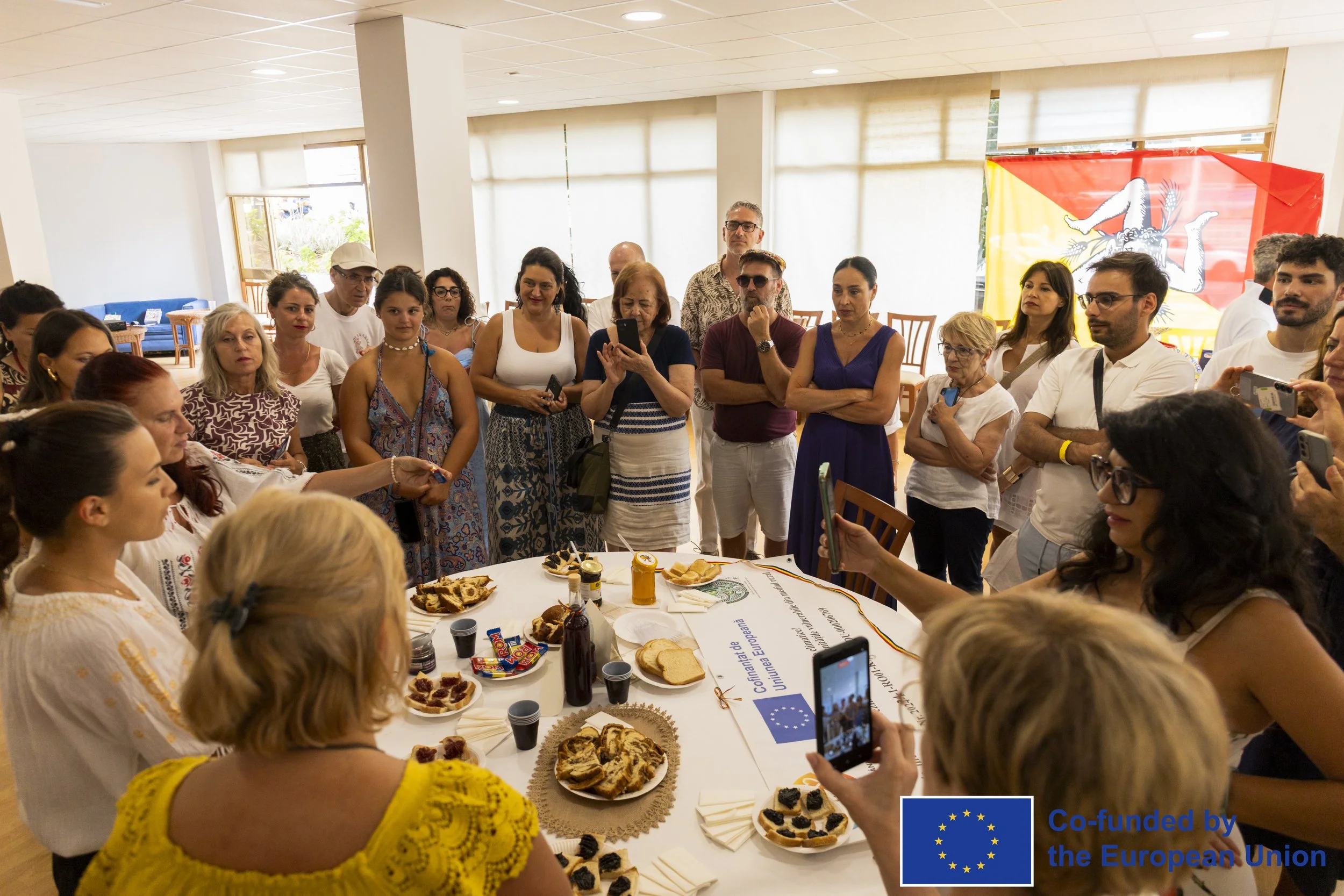
The Tenerife course provided an invaluable opportunity to network and share best practices on inclusion challenges with educators from across the continent, coming from Portugal (us), Greece, Spain, Romania and Italy. The exchange of strategies for dealing with diverse individual realities and cultural issues was critical for strengthening our organization’s European dimension.
Accomplishments: By returning home, our trainers are now confident in their ability to:
Apply NFE techniques to encourage inclusion, specifically learning how to create strong bonds between the community.
Identify and implement at least five key non-formal activities for their own local context to boost individual motivation and belonging.
Introduce new resources to foster well-being and reduce the feeling of exclusion among vulnerable learners.
The successful completion of the "Non-formal for Inclusion" course in Tenerife means our NGO now possesses a vastly improved toolkit for creating a truly inclusive, tolerant, and engaging learning environment for the community we serve.

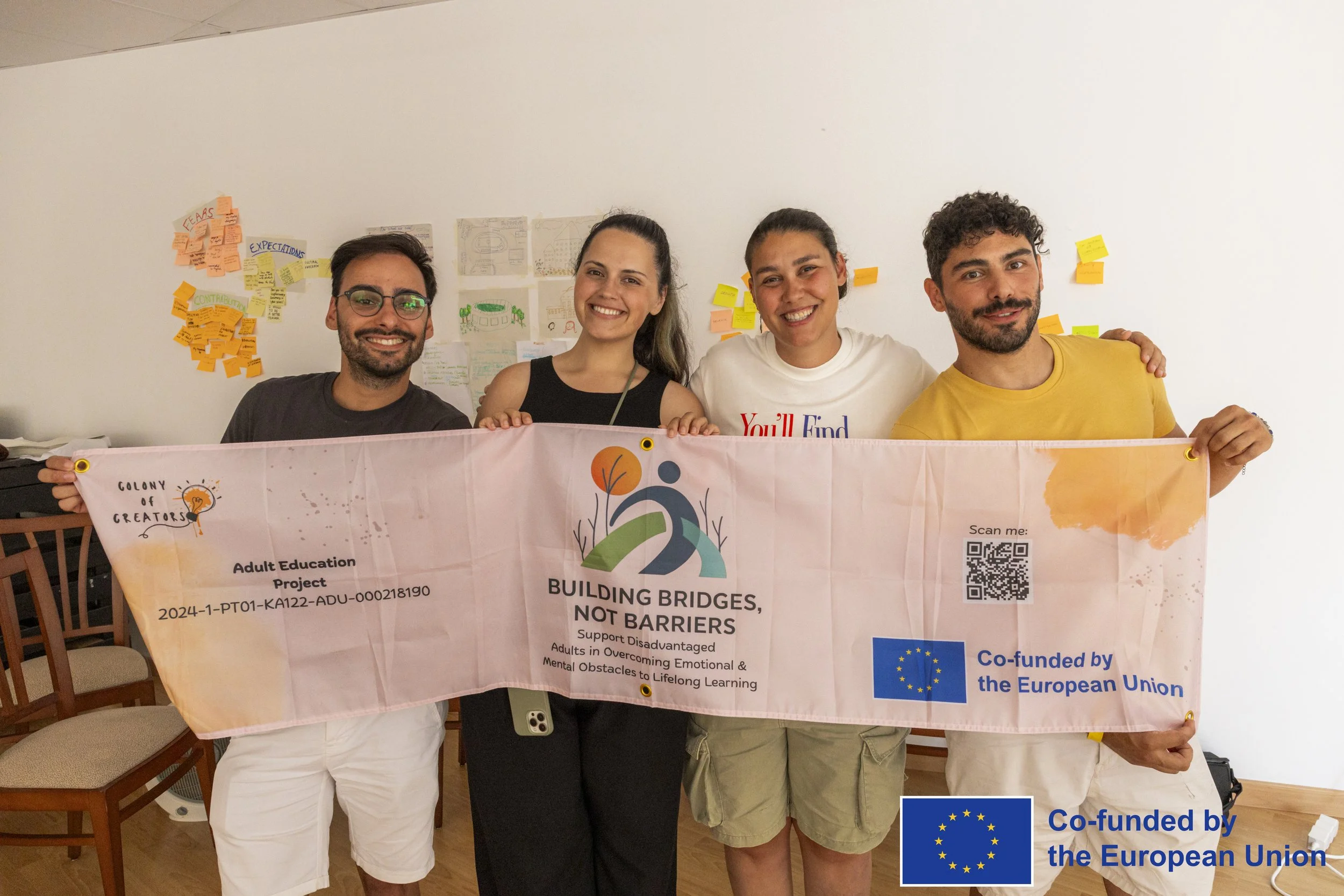
3rd Mobility: Naples, Italy 🇮🇹
Job Shadowing
Provider: CPIA Napoli Città 2
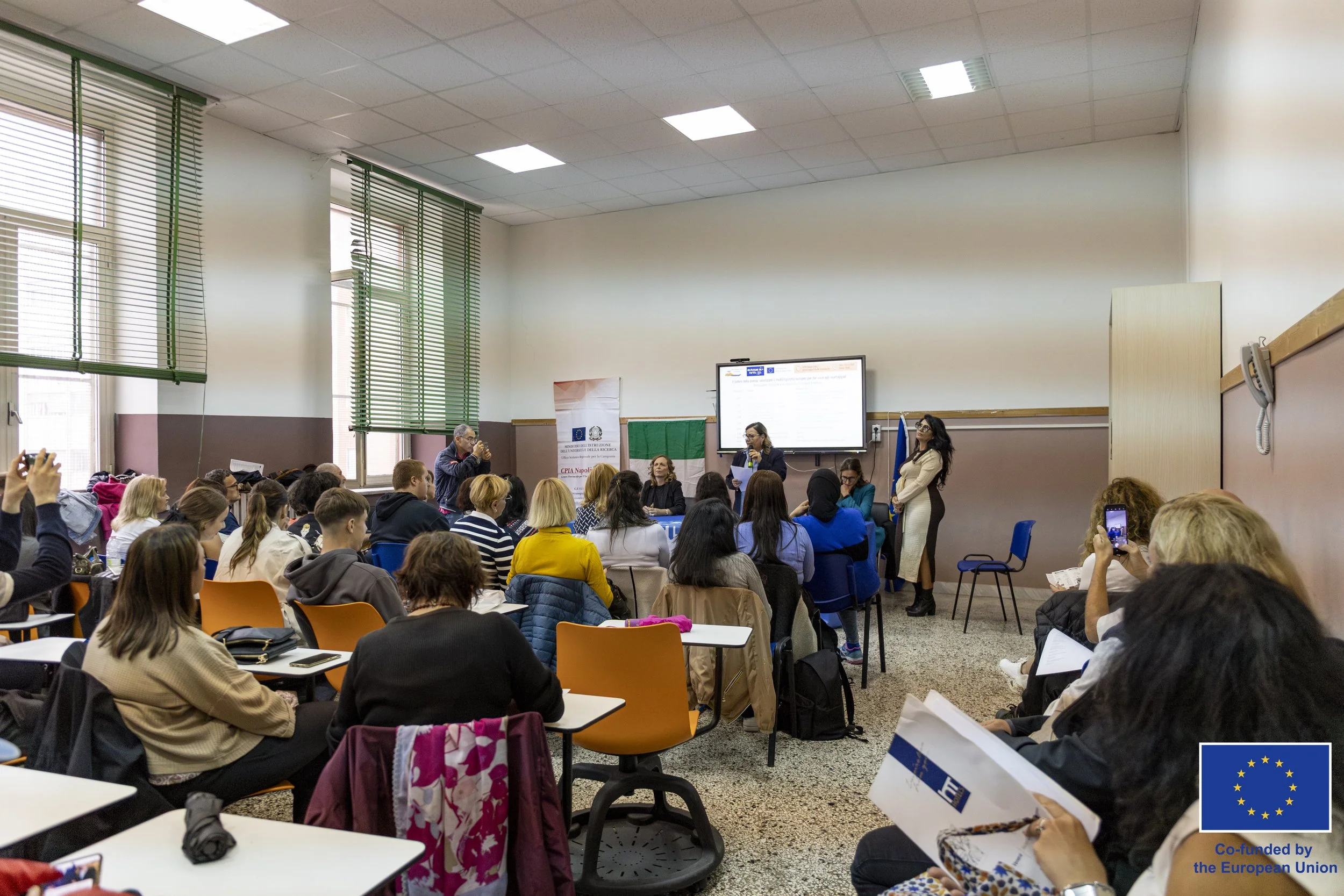
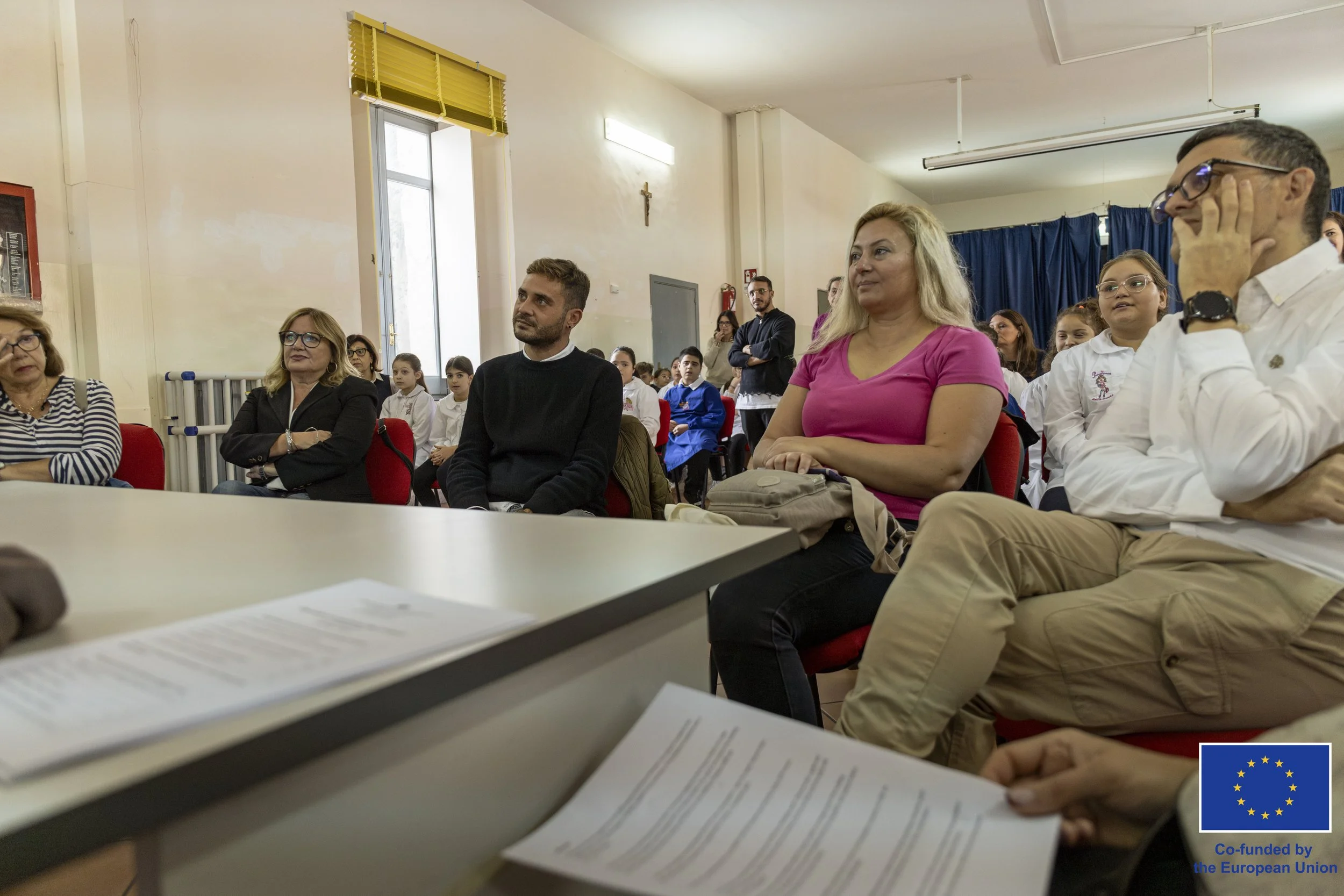
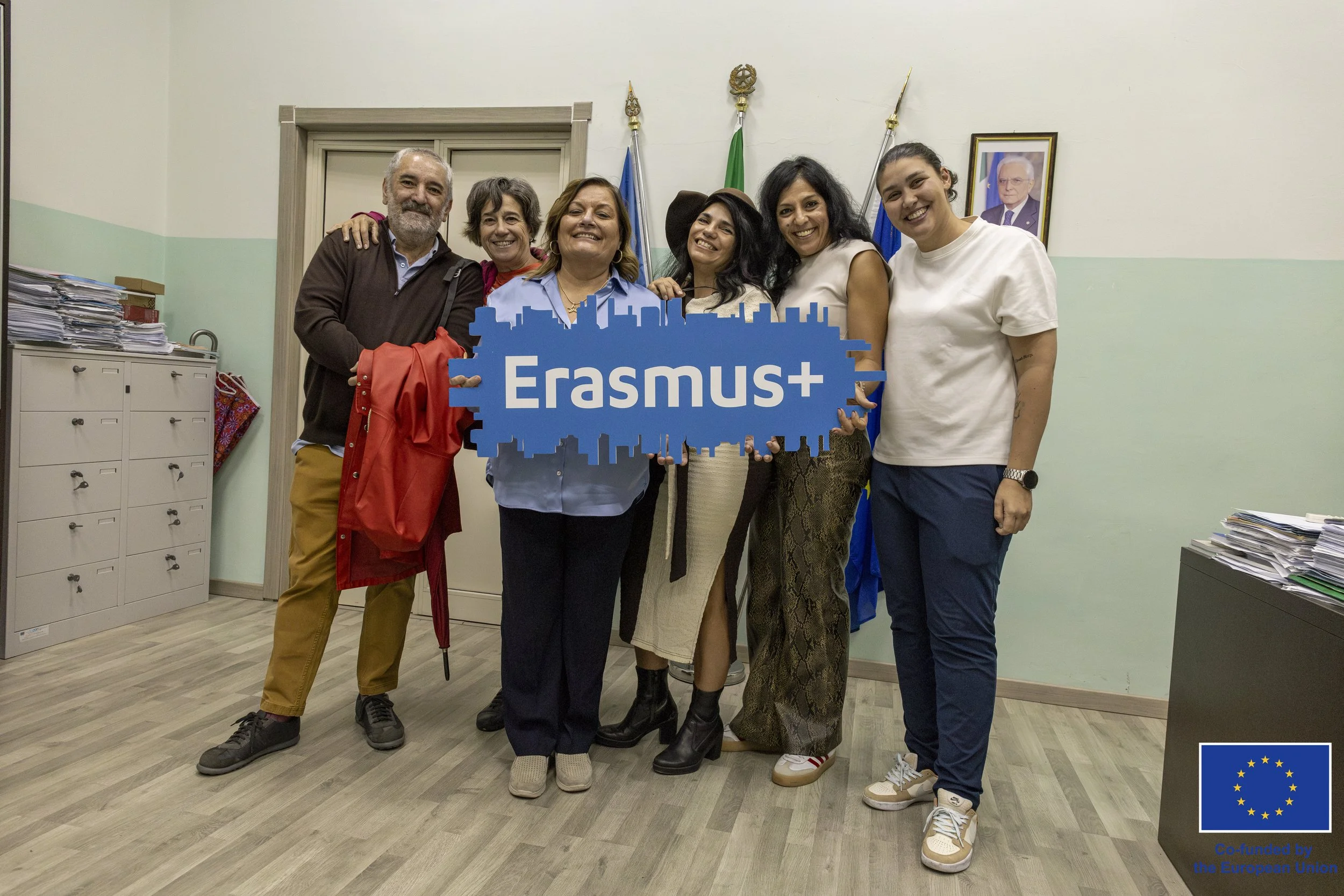
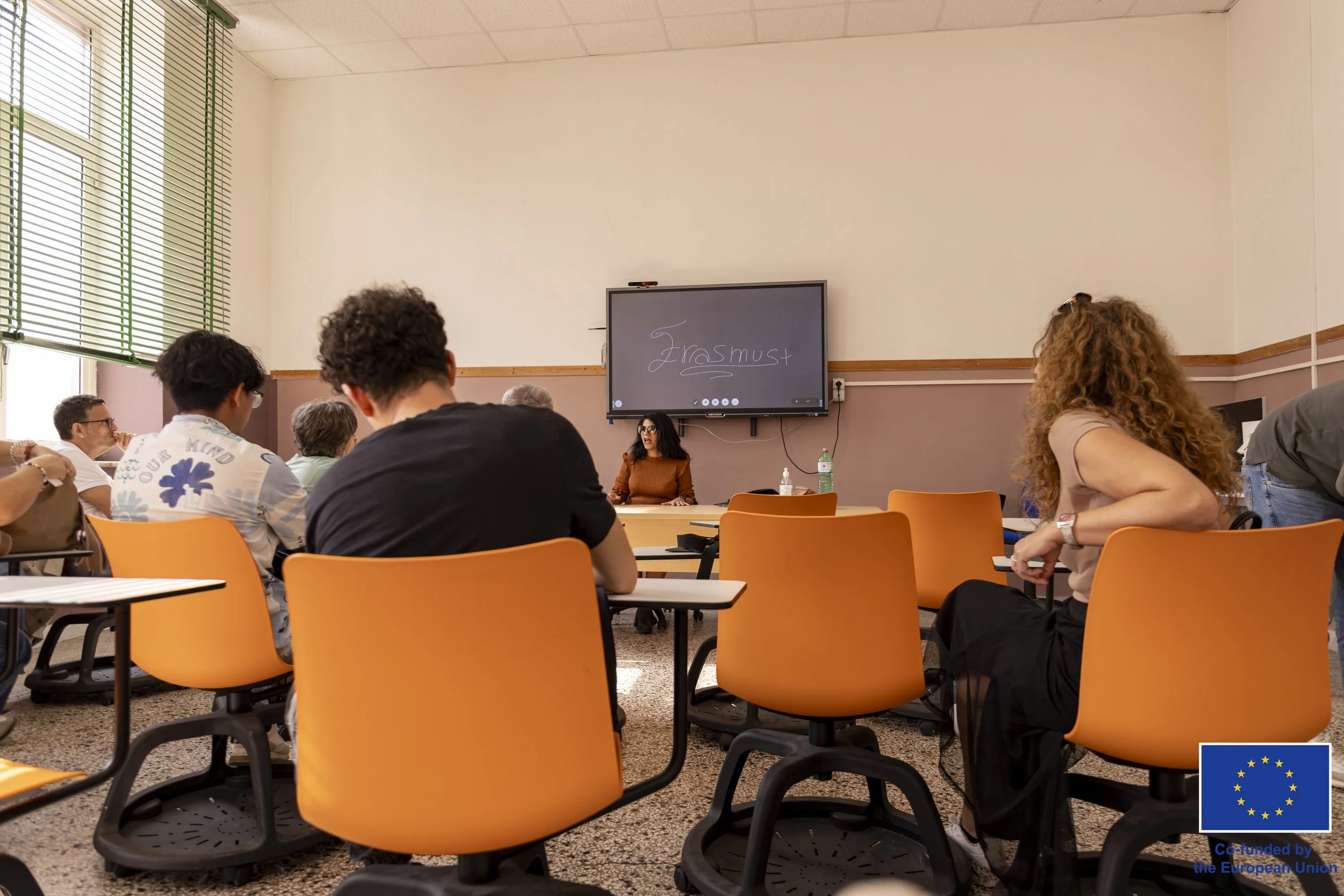
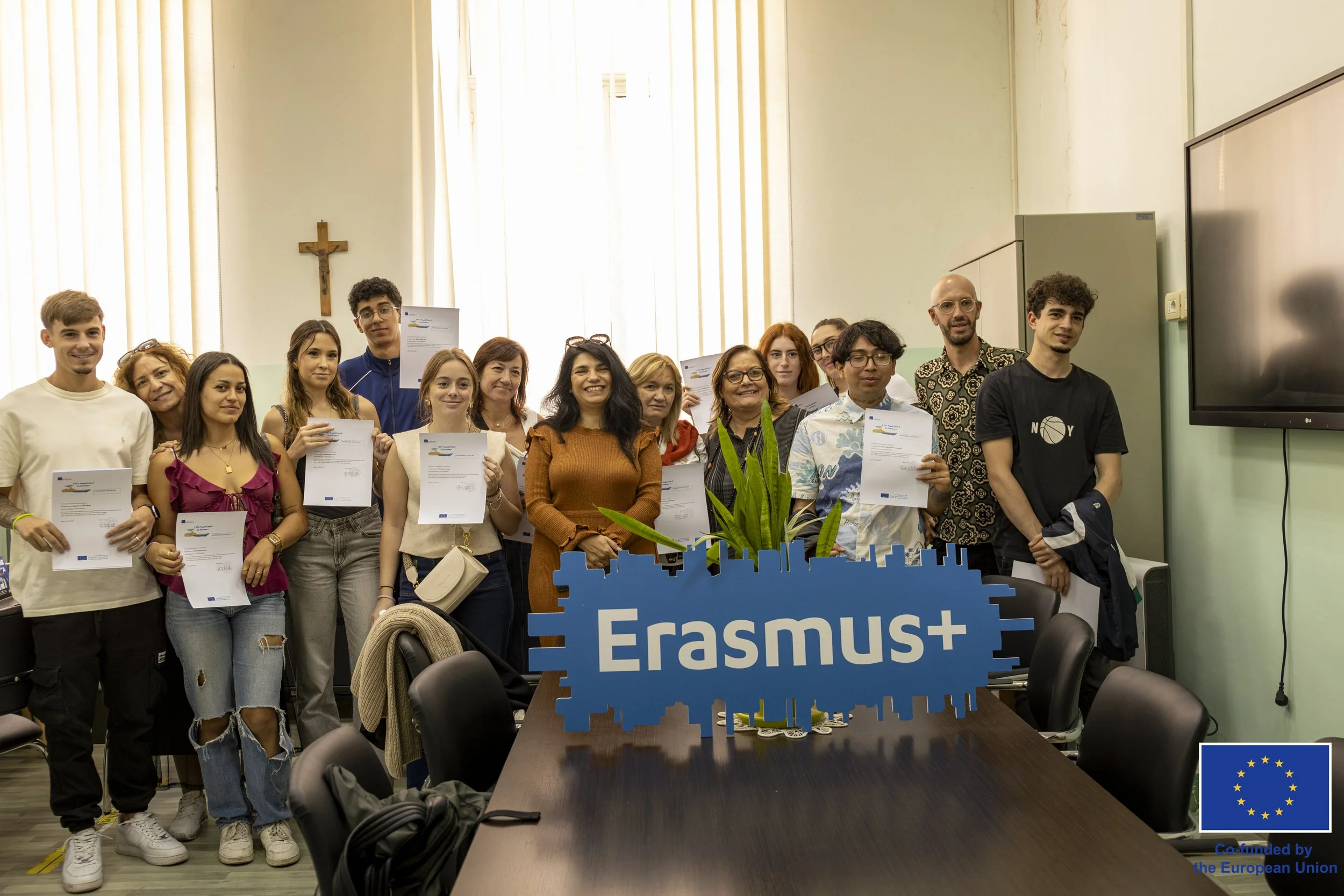
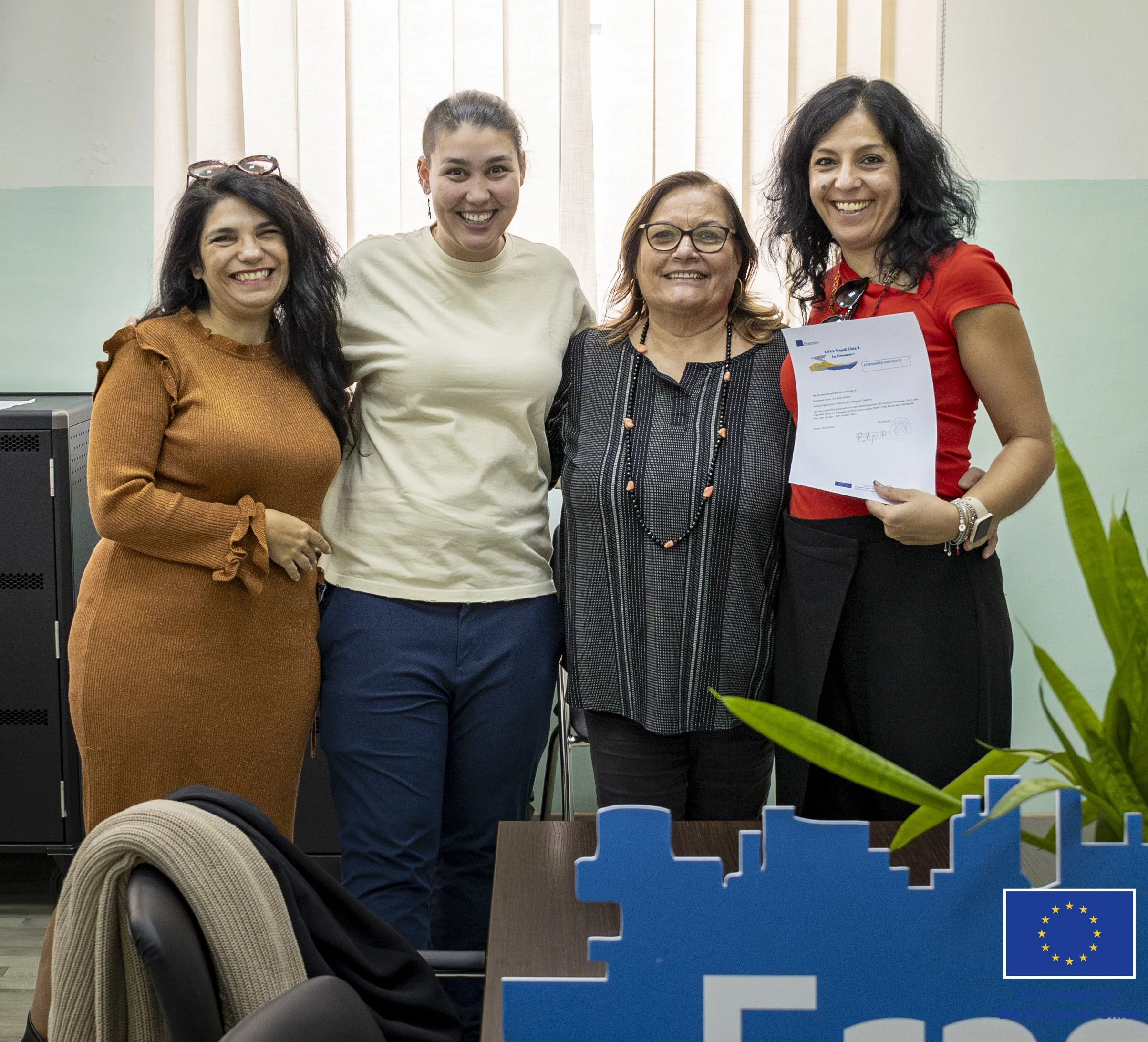
Our third project activity, a specialized Job Shadowing mobility, took two representatives from our team to Naples, Italy, from October 16 to October 20, 2025. This five-day intensive exchange was hosted by the Centro Provinciale di Istruzione per gli Adulti (CPIA) Napoli Città 2, a prominent Italian Second Chance School, and two collaborating local institutions, including an NGO dedicated to supporting local minorities.
This mobility's core aim was to gain practical, on-the-ground insights into innovative methodologies for adult education, focusing on how a multi-institutional approach can develop holistic tools in vulnerable learners, such as empathy, mindfulness, and critical thinking.
The Job Shadowing: Observation, Analysis, and Strategic Thinking
Unlike the previous courses, this job shadowing activity was one of deep observation, discussions and critical analysis across three different host environments. Our 2 key staff members were immersed in the practical reality of adult education in Naples, gaining insights into all eight key European Key Competences for Lifelong Learning:
Literacy & Digital Competence: We observed how the CPIA successfully organises teaching activities for low-skilled adults, including the practical application of mindfulness activities within basic and digital literacy classes. The experience provided a strong foundation for a critical analysis of adult education curricula.
Personal, Social, and Learning to Learn Competence: A crucial element was the mandatory 30 minutes of daily reflection with a mentor and the observation of andragogical methods according to the Italian model. We learned about practical conflict mediation skills and saw empowerment methods in action to increase the self-esteem and motivation of trainees.
Multilingual & Citizenship Competence: We gained exposure to specialized services like the intercultural social secretariat services and mediation activities, which are vital for integrating vulnerable adult learners, particularly immigrants and local minorities, into society.
Connecting Job Shadowing to Project Goals
This job shadowing activity directly and significantly contributed to the success of two of our project's most critical and complex objectives:
Improve Holistic Training Skills and Motivation: This activity was specifically designed to enhance holistic training skills. We gained the practical ability to analyse and structure Individual Learning Plans (ILP) for disadvantaged beneficiaries, directly achieving a key objective for staff development in our original project application. The observation of empowerment methods for increasing self-esteem and motivation provides a proven model for our own programs.
Strengthen International Collaboration and Networking: The mobility culminated in a strategic Brainstorming session between Colony of Creators and the Second Chance Center Naples. This directly supported our objective of developing new partnerships and collaborations for future Erasmus+ KA2 projects, laying the groundwork for increased design and valorization of our work at a European standard.
A innovative element observed was the host organizations' Entrepreneurship and Cultural Awareness & Expression competence development, achieved through unique Partnerships with the third sector.
We observed collaborative activities with a theatre group (Vernice fresca teatro) and a cycling association (Napoli pedala). This demonstrated how creative and physical activities can be integrated into educational pathways to foster well-being, social bonds, and a better appreciation for cultural diversity—key elements in helping adults overcome social isolation.
Accomplishments: By completing this job shadowing mobility, our staff achieved the following:
Acquired analytical skills to better structure and measure the impact of our adult education programs, notably through the analysis of Individual Learning Plans (ILP).
Observed and learned how to effectively integrate mindfulness and empowerment methods into training to increase the self-esteem and motivation of vulnerable adults.
Defined concrete steps and potential projects for future collaborations with the Second Chance Center Naples, significantly boosting our international networking objective.
The lessons and innovative curriculum design observed in Naples—particularly the integration of creative third-sector partners—will now be transferred and implemented to create a more supportive and holistic learning environment for our community.

4th Mobility: Budapest, Hungary 🇭🇺
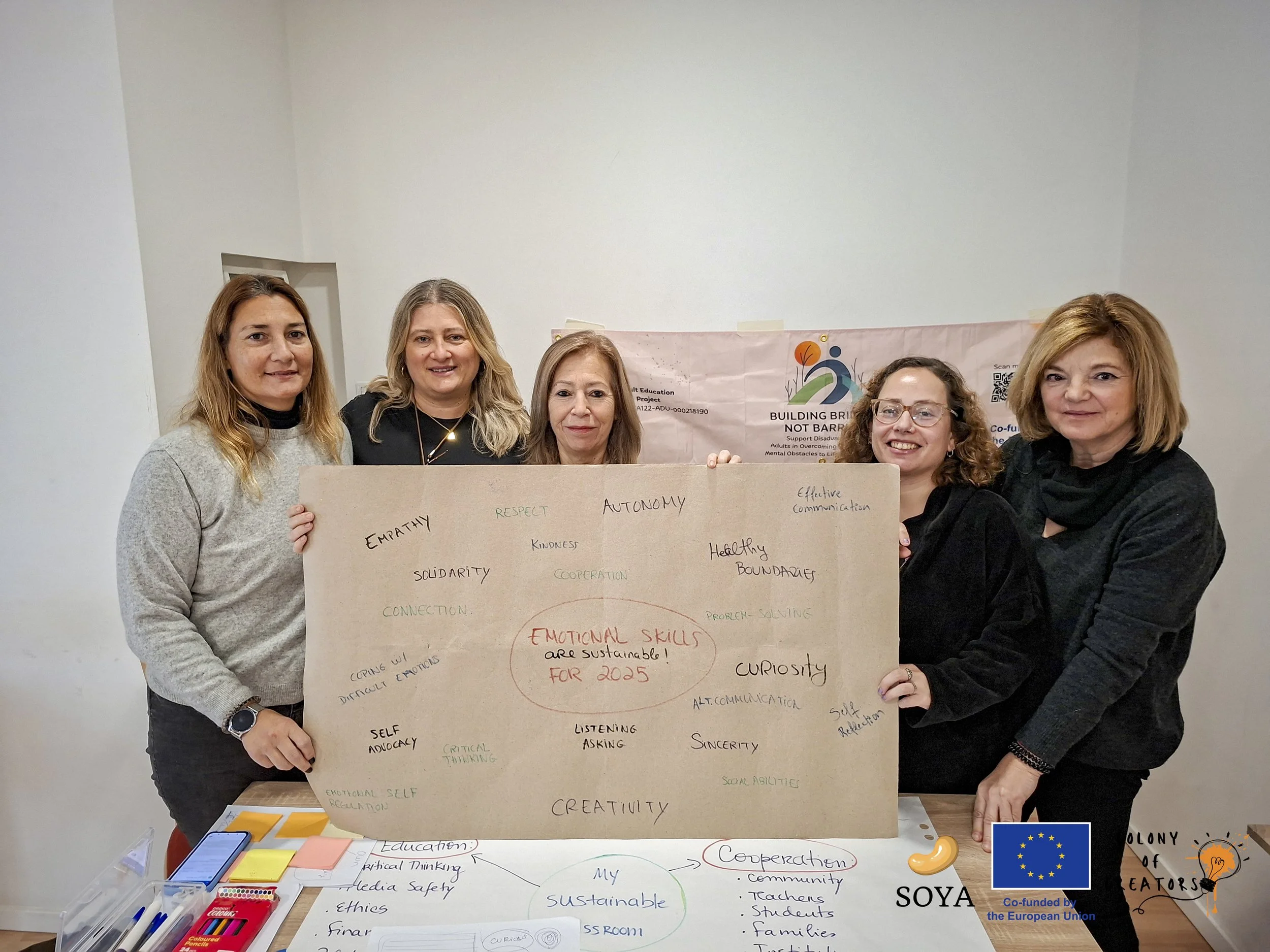
Course: Emotional Intelligence: Managing Stress and Change in Education
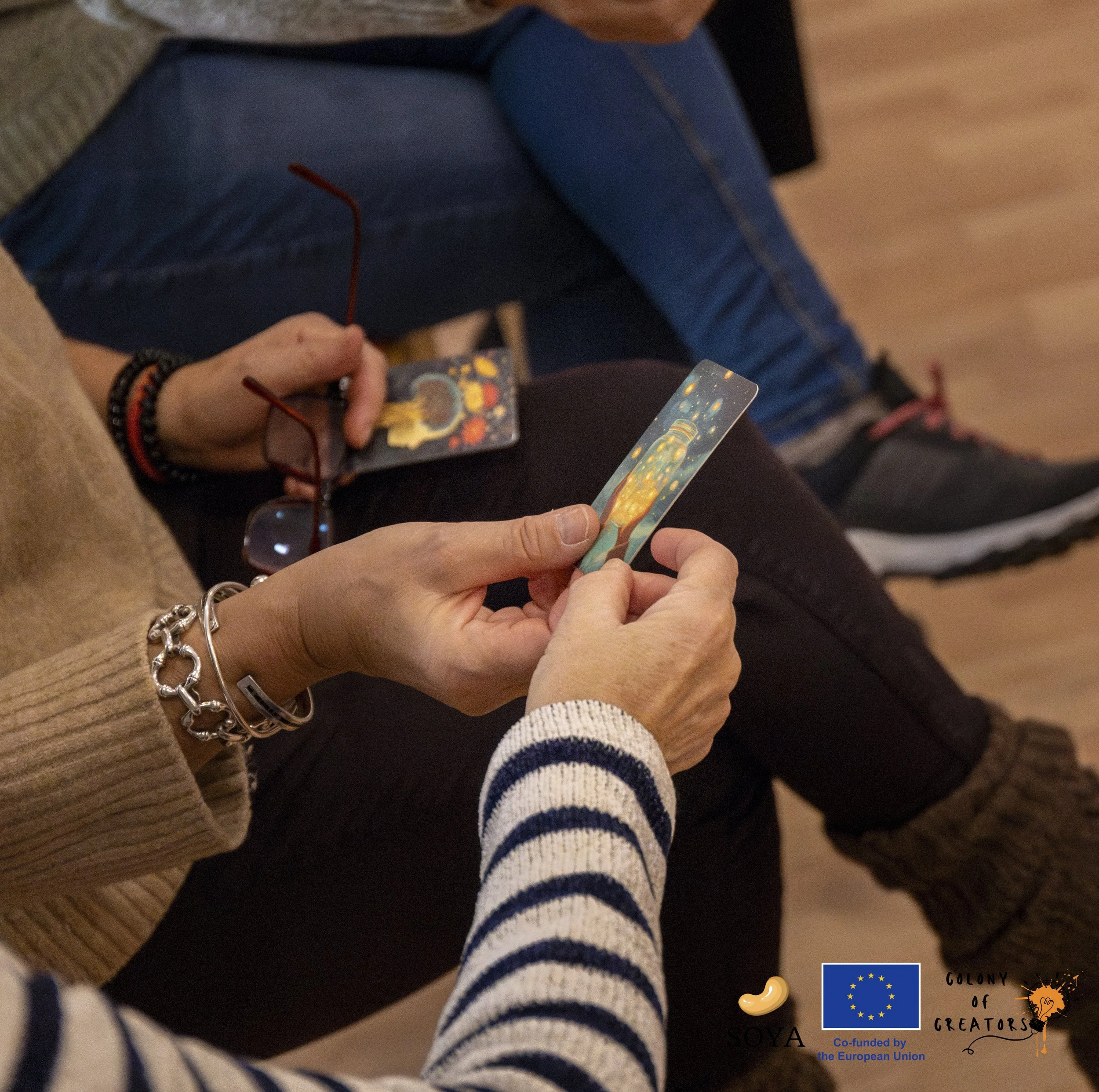
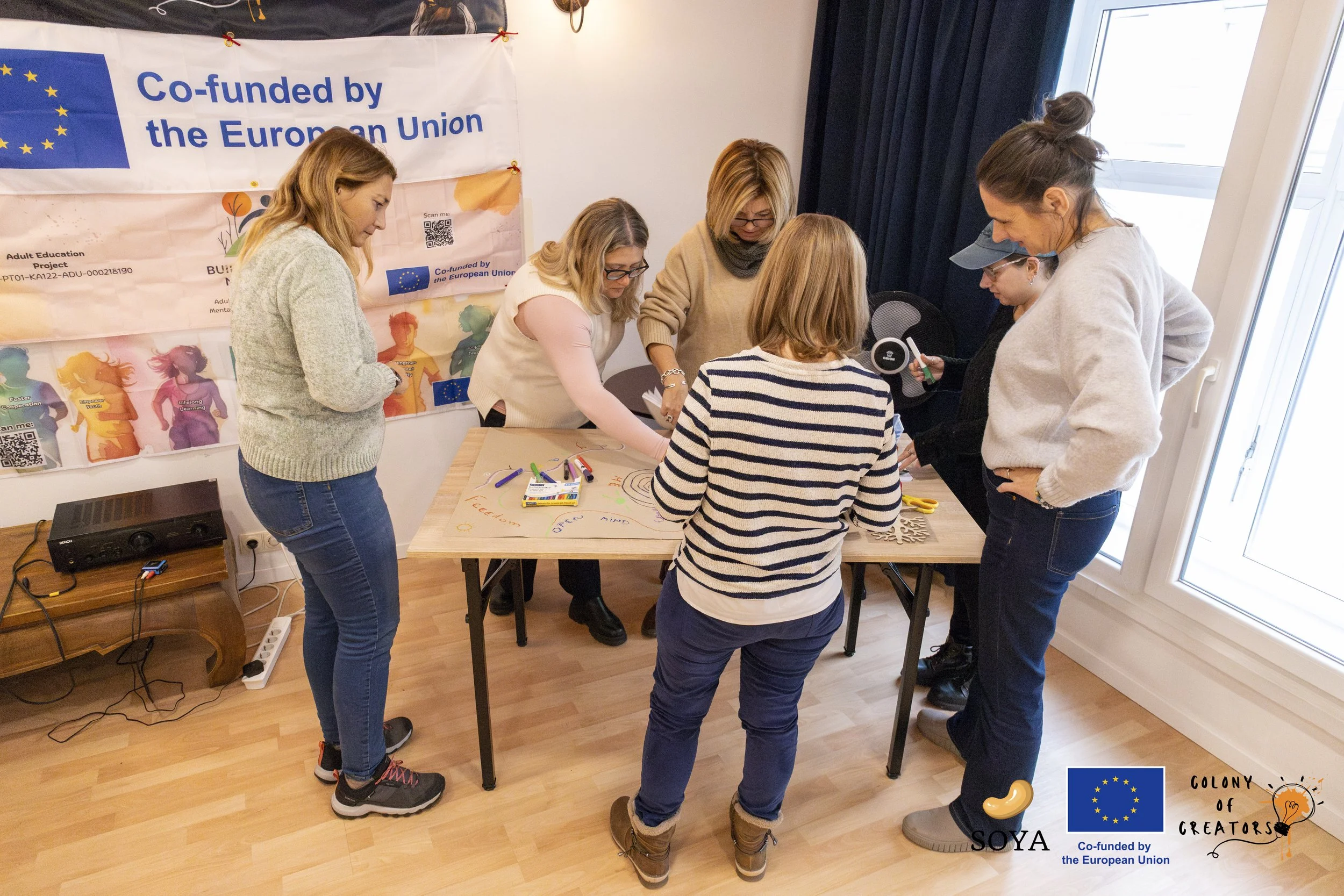
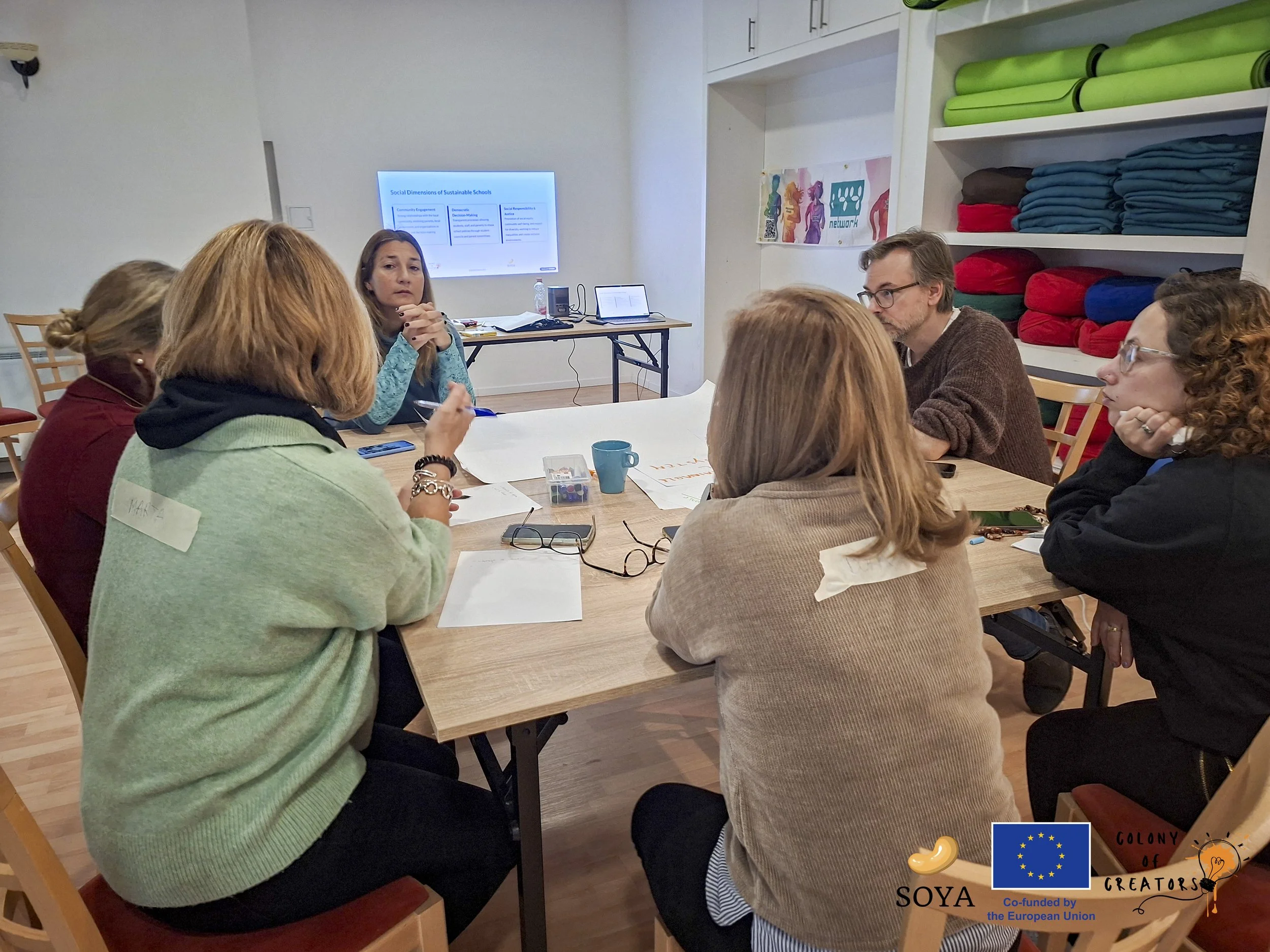
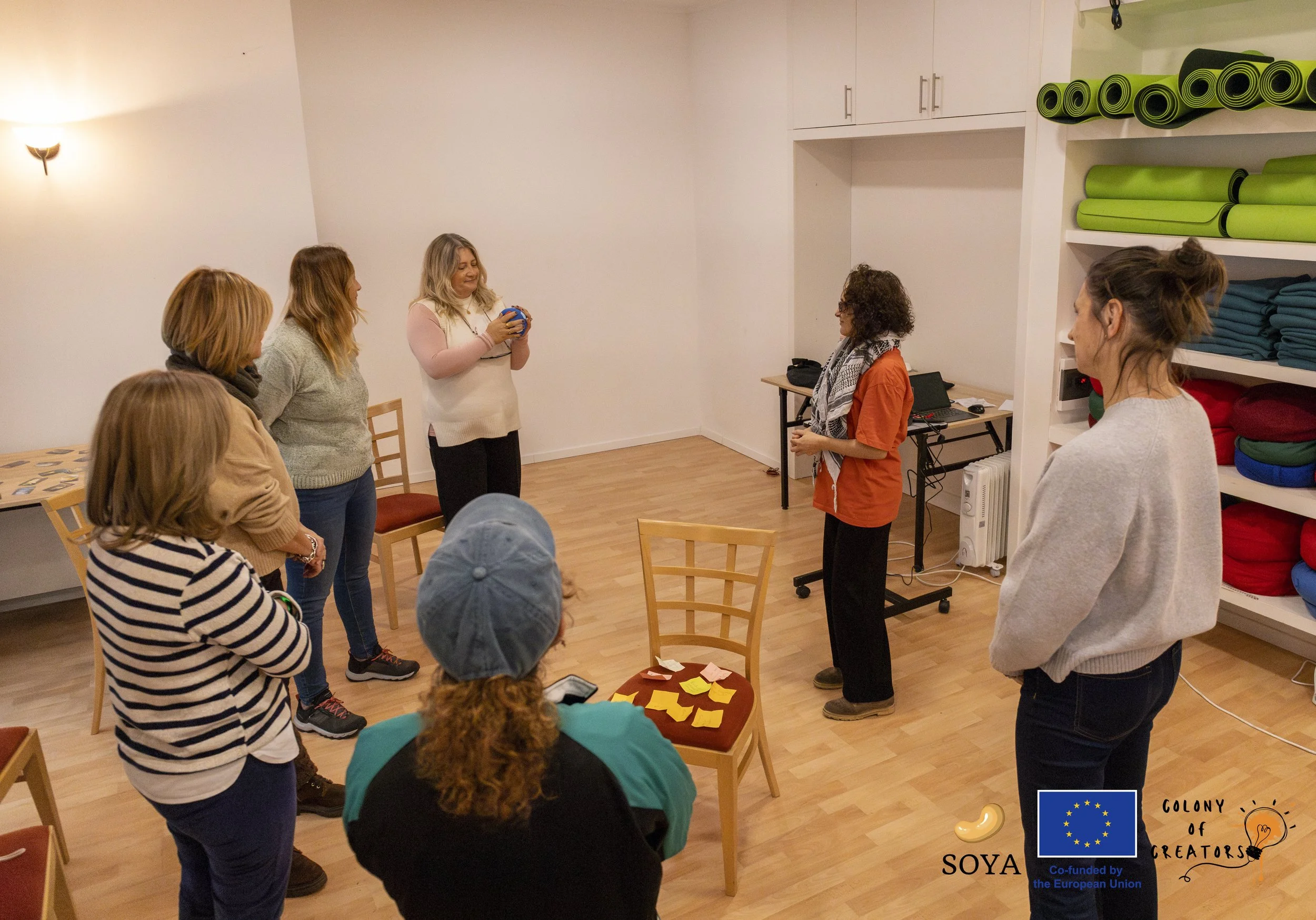
Our project's commitment to tackling the emotional and mental obstacles faced by disadvantaged adults took a major step forward with our fourth mobility activity. Our team of trainers traveled to Budapest, Hungary, for a 9-day intensive training course, “Emotional Intelligence: Managing Stress and Change in Education,” hosted by the Fiatalok Tere Egyesület (SOYA) from November 26 to December 4, 2025.
The Course: A Positive Psychology Framework for Resilience
This specialized course provided our adult trainers with an essential foundation in Emotional Intelligence (EI). Drawing directly from Positive Psychology principles , the training focused on core competencies required to help the adults we work with successfully manage change and learn crucial techniques to cope with stress.
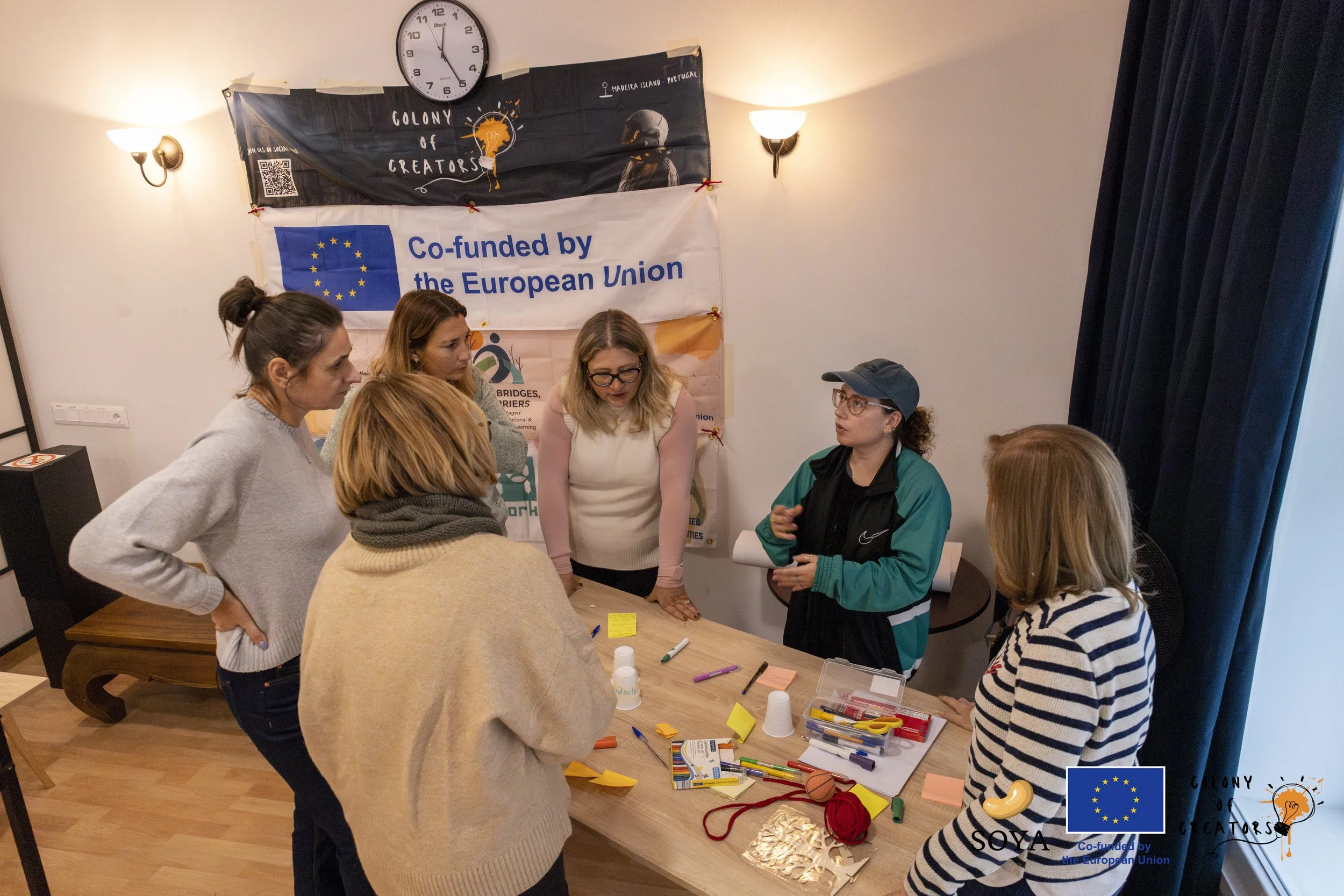
The program combined theoretical presentations with intensive self-reflection, case studies, and practical group work. Key areas of focus included:
Self-Management Tools: Activities to expand self-awareness, self-control, and self-acceptance.
Interpersonal Balance: Training on achieving the necessary balance between assertiveness, empathy, and objectivity in communication.
Cognitive Techniques: Introduction to Cognitive Restructuring methods for reframing negative thoughts and practical application of stress-coping strategies.
Connecting Emotional Intelligence to Project Goals
This mobility was critical to achieving the central aims of our “Building Bridges, Not Barriers” project, which targets the vulnerability, stress, and isolation common among disadvantaged adults.
This training directly addressed the following core project objectives:
Empower Trainers with Inclusive Emotional Education Skills: This course provides the direct methodologies needed. By mastering methods to help our target groups cope effectively with stress and understand the functions of emotions in motivation and goal pursuit, our trainers can create a supportive learning environment that tackles mental obstacles head-on.
Promote New Learning and Teaching Methods: The course’s methodology, focused on self-reflection and practical application, aligns with our goal of introducing and promoting non-formal learning. By teaching adults to manage their emotional state, trainers possess the knowledge to enable adults to work productively and fruitfully and make a meaningful contribution to the community.
The entire course framework was tailored for use within informal educational settings, ensuring that the tools are immediately applicable in our NGO's community-based training programs.
By the end of the 9-day program, our participants were not just educated; they were Empowered Trainers.
Specific results achieved include:
Stress Management Expertise: Our team gained the skills to design and lead practical, short stress-coping sessions for our community groups.
Improved Interpersonal Facilitation: Trainers mastered methods to facilitate the improvement of empathy, social intelligence, and interpersonal communication within their adult learner groups.
Transfer of Learning: A significant result was the practical development of micro-training sessions, allowing our trainers to immediately transfer and apply the acquired EI concepts to their own adult learners back home.
The success of the "Emotional Intelligence" mobility in Budapest ensures our NGO is better equipped than ever to foster emotional resilience and deliver truly transformative education to the most vulnerable members of our community. All participants received Europass certification of these key competences, formally attesting to their ability to transmit this vital knowledge to others.